
Wax Thermal Transfer Ribbons
What is a
Wax Ribbon?
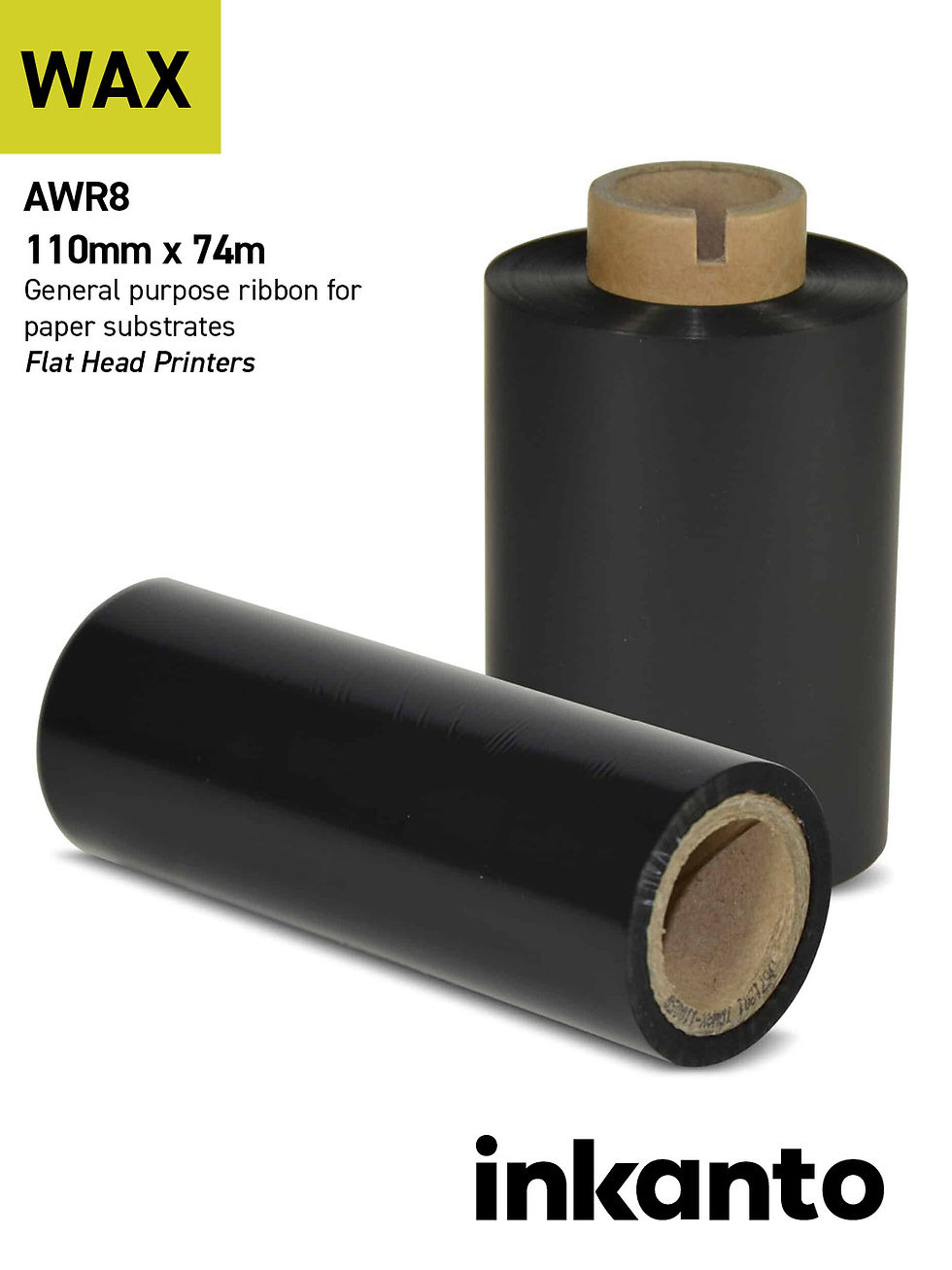
Although wax ribbon production may seem simple from the outside, it is in fact a highly technical process involving chemistry, coating technology, and precision mechanical operations. The foundation of the production process is a very thin plastic film. Typically, a PET (polyester) film with a thickness of around 4–5 microns is used, serving as the backbone that carries all coating layers.
The most critical component of a wax ribbon is the ink formulation. It consists of black pigments, binders, and additives blended with paraffin wax. This makes it the most economical type of thermal transfer ribbon, primarily designed for use on paper labels. Due to its low melting point (approximately 60–70°C), the printer requires less energy, enabling faster printing speeds and reducing wear
on the printhead.
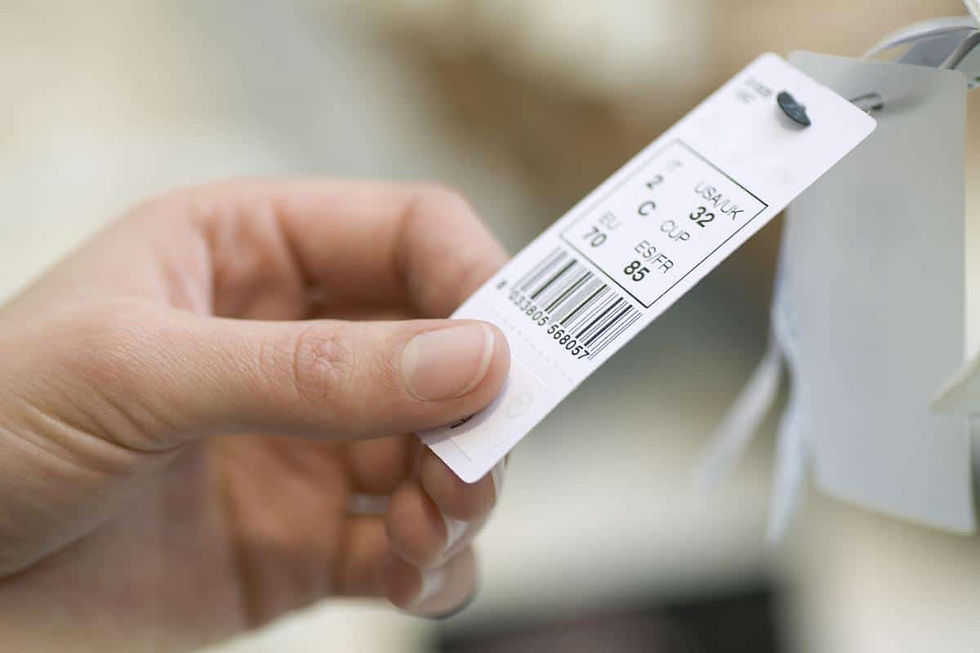
In terms of applications, wax ribbons are widely used for shelf labels and shipping labels where long-term durability is not required. They are designed for situations where the printed information will be used temporarily or transferred within a short period. Common substrates include paper labels such as coated (semi-gloss) and vellum.
Wax ribbons offer a cost-effective solution with high print speeds, making them the most economical option. However, their main drawback is low resistance to abrasion and smudging.
Shop Wax Ribbons




Want to learn more?
There is a broad spectrum of options available within the thermal transfer ribbon range, and our team can help assess exactly what you need to ensure that you choose the correct ribbon type for your application.